The Monsoon Roads of Muscat
The rains came without ceremony. One moment the wadi was bone-dry gravel, cracked to the depth of a knuckle; the next, a visceral wall of brown water roared through carrying entire centuries of sediment.
Dispatches from the edge of the map. Where cartography ends and the untethered soul begins its reckoning.

The rains came without ceremony. One moment the wadi was bone-dry gravel, cracked to the depth of a knuckle; the next, a visceral wall of brown water roared through carrying entire centuries of sediment.
Iceland in January is not a destination. It is a diagnosis. The light never rises above the treeline; it only smears itself, reluctant and rose-gold, across the obsidian lava fields south of Reykjavik.

"The map is not the territory — but a map of obsidian and monsoon rain is still worth every ruined suit."

Tongass, Alaska

Karakoram Range

Rann of Kutch

South Pacific

Portolan Chart, 1624
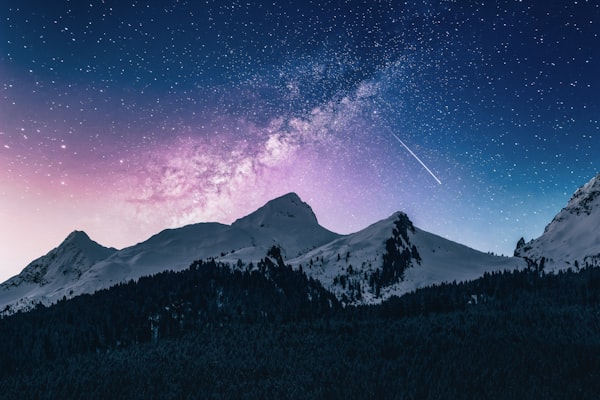
Dolomites, Italy
There is a particular silence at the end of the world — not absence, but weight. The kind that presses on the sternum like a palm on a kettle drum. Easter Island at dusk is that silence made manifest.

The souk smells of cardamom and char. Not unpleasantly — or perhaps the distinction has been worn away. You learn, in cities that have burned and rebuilt themselves a dozen times, that beauty and ruin are the same material in different proportions.

"We travel not to escape life, but to ensure that life does not escape us — untethered, visceral, monsoon-drenched and whole."
28°36′N
77°12′E
Visceral.
The condition of the long-distance traveller is not loneliness. It is a considered, cultivated solitude — the deliberate removal of social scaffolding until the bare architecture of self becomes visible.
This is why the bespoke suit gets ruined in the monsoon. Because some lessons are only available in the visceral.
"The map is not the territory.
But it is still worth carrying."
Ladakh
in June